14 companies on one ERP platform.
Acquisitions left Eastman Music managing manufacturing, inventory, distribution, and intercompany activity across a growing group of operating companies. Eastman moved from Sage 100 and separate applications to Acumatica Manufacturing, connecting 14 companies on a common ERP platform and reducing manual work across manufacturing and distribution.
- Company
- Eastman Music
- Industry
- Musical instruments, manufacturing & distribution
- Headquarters
- Pomona, California
- Replaced
- Sage 100 + separate applications
- Solution
- Acumatica Manufacturing Edition
Company & challenges
Headquartered in Pomona, California, Eastman Music makes and distributes string, brass, woodwind, guitar, and percussion instruments.
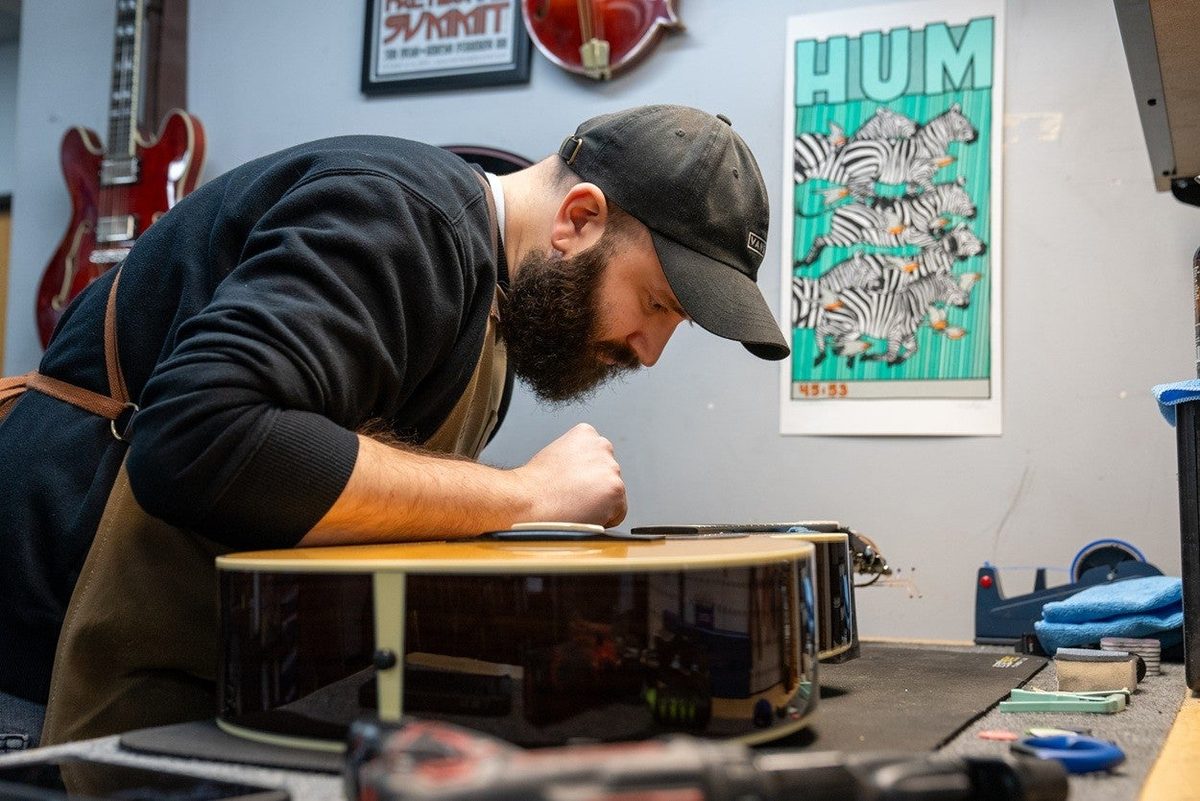
Acquisitions brought established instrument makers, including Wm. S. Haynes and S.E. Shires, into a group that the original case study described as 14 operating companies serving a dealer network of roughly 400.
Distribution varied across the group. Finished instruments moved through Eastman’s California center, while components also moved between manufacturers and individual brands managed their own shipments. Eastman’s older Sage 100 environment relied on separate databases and applications. Switching between systems slowed intercompany work, while software crashes and limited production capabilities made the expanding operation harder to manage.
“We have had so much growth through increased sales and acquisitions that it has been hard to keep up.”
Ralph Torres, Vice President of OperationsThe solution
Ralph Torres reviewed several ERP options, including Microsoft Dynamics, before selecting Acumatica Manufacturing Edition for a configurable multi-company system, an approach to licensing suited to Eastman’s needs, and the ability to connect applications across businesses that had previously used different software.
“We didn’t have that visibility before.”
Elizabeth HorwitzERP Production System Administrator, Wm. S. Haynes
The benefits
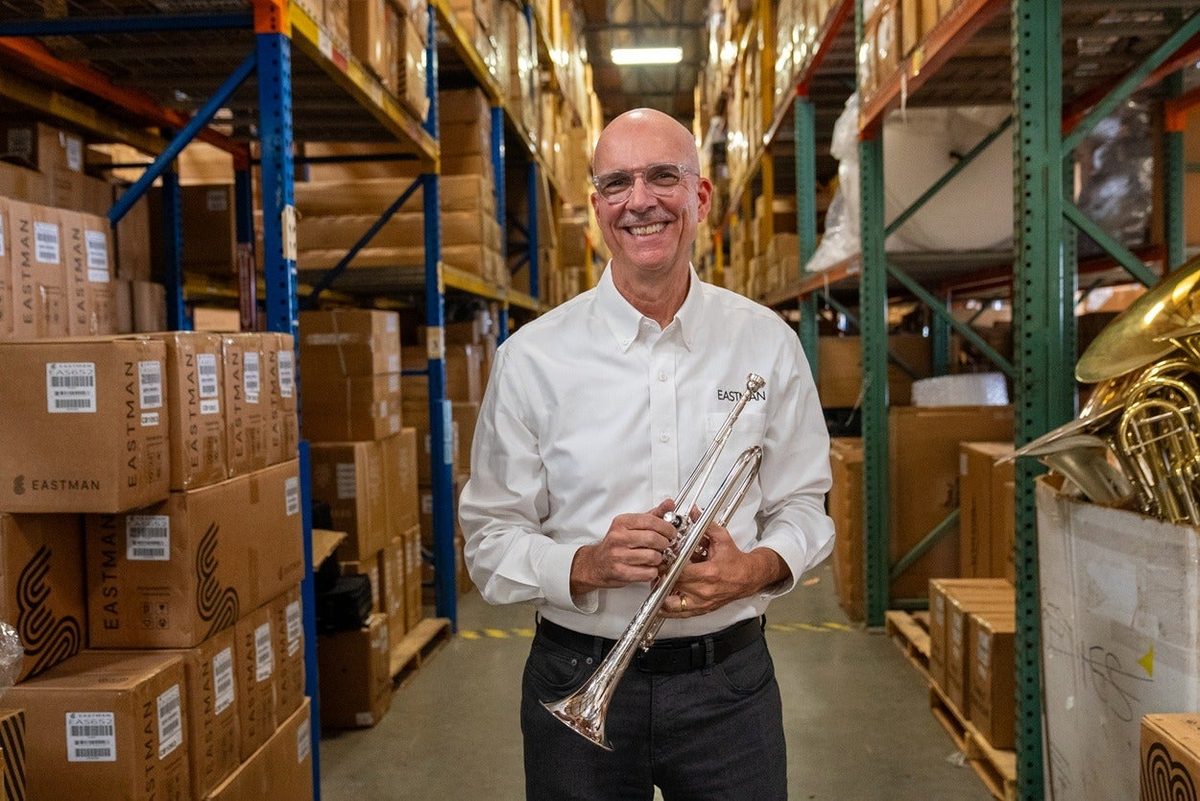
Adding acquired companies
Repeatable import and setup processes helped Eastman add companies with less disruption. In the Malletech acquisition example, Torres saw the first invoice for the newly acquired company processed in Acumatica on the same afternoon the acquisition was announced.
Faster intercompany reporting
A common ERP platform gave Eastman’s accounting team access to financial activity across the operating companies without repeatedly switching between separate databases. Preparing an intercompany transaction report fell from one or two days to approximately five seconds.
Production visibility at Wm. S. Haynes
Production teams gained better access to material requirements, bills of materials, and work-in-process status. Horwitz could identify missing parts and potential material shortages earlier, then monitor work orders without relying on a whiteboard or separate status checks. Scrap metal from instrument production is recorded through Acumatica’s by-product process, reducing previously manual adjustments.
Warehouse and distribution
Eastman used warehouse picking priorities and inventory-status information to improve fulfillment and customer service. For products already in stock and ready to ship, orders that could previously wait several days in the warehouse could leave the same day or the next day. Items needing quality checks still followed additional steps.
Faster container processing
In a student-level product example, Sales Manager Jay Schreiber described processing about 80% of an inbound container in roughly two days rather than approximately two weeks. Purchase-order receipt and customer-order information helped teams allocate items quickly.
Forecasting and self-service reporting
Schreiber also reported preparing sales updates in less than two days instead of roughly two weeks, using historical sales and current production information. Employees could create inquiries, reports, and dashboards themselves instead of relying on paid outside report development.
- Connected 14 operating companies on a common Acumatica ERP platform.
- Reduced intercompany report preparation from one or two days to about five seconds.
- Moved ready-to-ship orders to same- or next-day dispatch instead of multi-day warehouse waits.
- In a cited student-product container, processed about 80% of the shipment in roughly two days instead of two weeks.
- Improved production and work-in-process visibility, including material needs and order status.
Solution stack
Source: Acumatica Customer Success — Eastman Music Company.
Managing multiple entities, plants, or acquisitions on disconnected systems?
Talk to Vantris about designing a cleaner Acumatica operating model.
Talk to Vantris