Financial close shortened by three days.
Rapid growth exposed the limits of POLYWOOD’s legacy financial system, paper-heavy processes, and disconnected manufacturing applications. Acumatica Enterprise Manufacturing Edition connected operational data with the company’s custom manufacturing execution system (MES), improved order processing, and supported much higher transaction volumes.
- Company
- POLYWOOD
- Industry
- Outdoor furniture from recycled plastics
- Replaced
- Legacy ERP (in use since 2010) + paper and spreadsheets
- Solution
- Acumatica Enterprise Manufacturing Edition
- Kept
- Custom MES, connected through an open API
Company & challenges
POLYWOOD manufactures outdoor furniture from recycled plastics. Its manufacturing footprint expanded as demand rose, particularly during the pandemic.
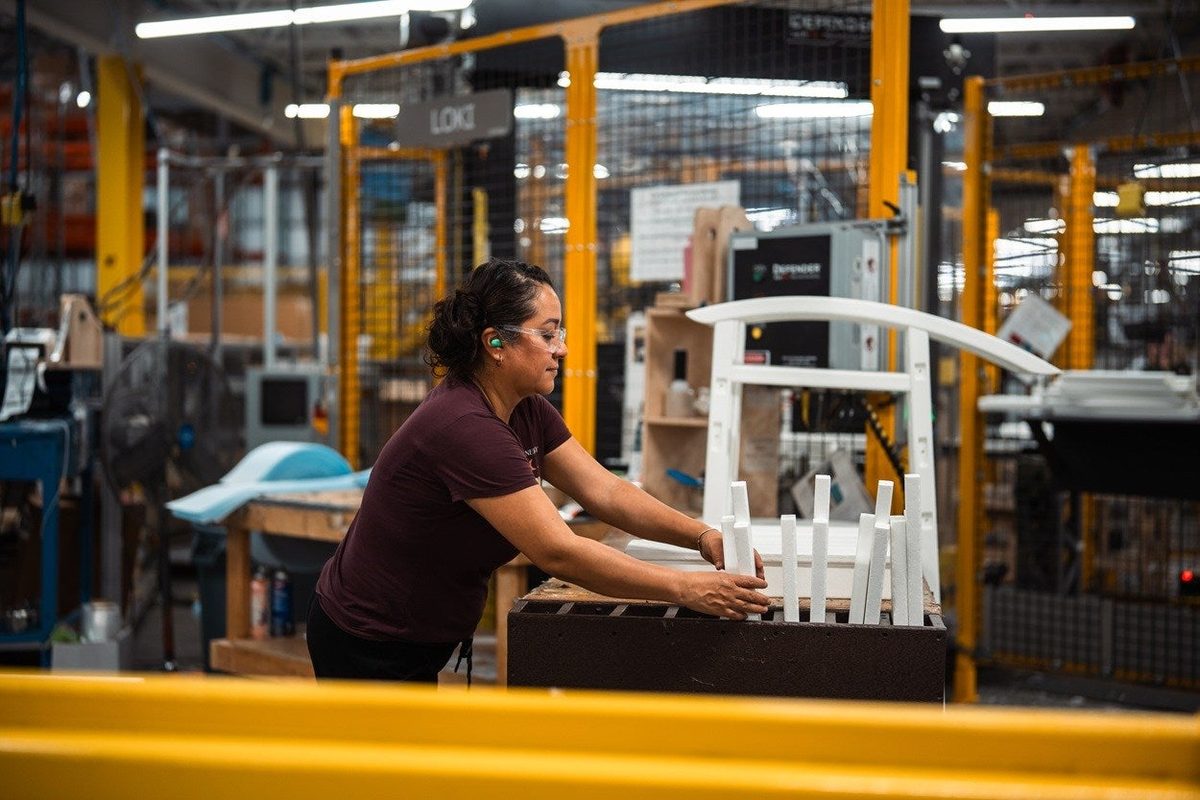
The company had used the same ERP since 2010, while paper schedules, spreadsheets, and disconnected applications made it difficult to track production, inventory, and customer orders.
Employees recorded production on paper and carried the records to be entered into the old ERP. Lost records could leave finished items missing from available inventory. Warehouse knowledge also depended heavily on individual employees. The legacy system had user limits and became unstable as more people needed access.
POLYWOOD built a custom MES to manage scheduling, warehouse activity, and serial-number inventory. But it did not solve other problems, particularly the failure of some online sales orders to process correctly between Magento and the legacy ERP. Processing more than 3,000 orders a day had become problematic. At seasonal peaks, employees from other departments helped the warehouse ship orders.
The solution
POLYWOOD needed an ERP that could connect with its existing MES and support a growing workforce. It selected Acumatica Enterprise Manufacturing Edition for its open API and the ability to bring manufacturing, financial, and commercial data together. The company deployed Acumatica and connected applications before its busy season.
“No one has to wait until the next day to find out what happened.”
Michael LeedyManager of ERP Systems, POLYWOOD
The benefits
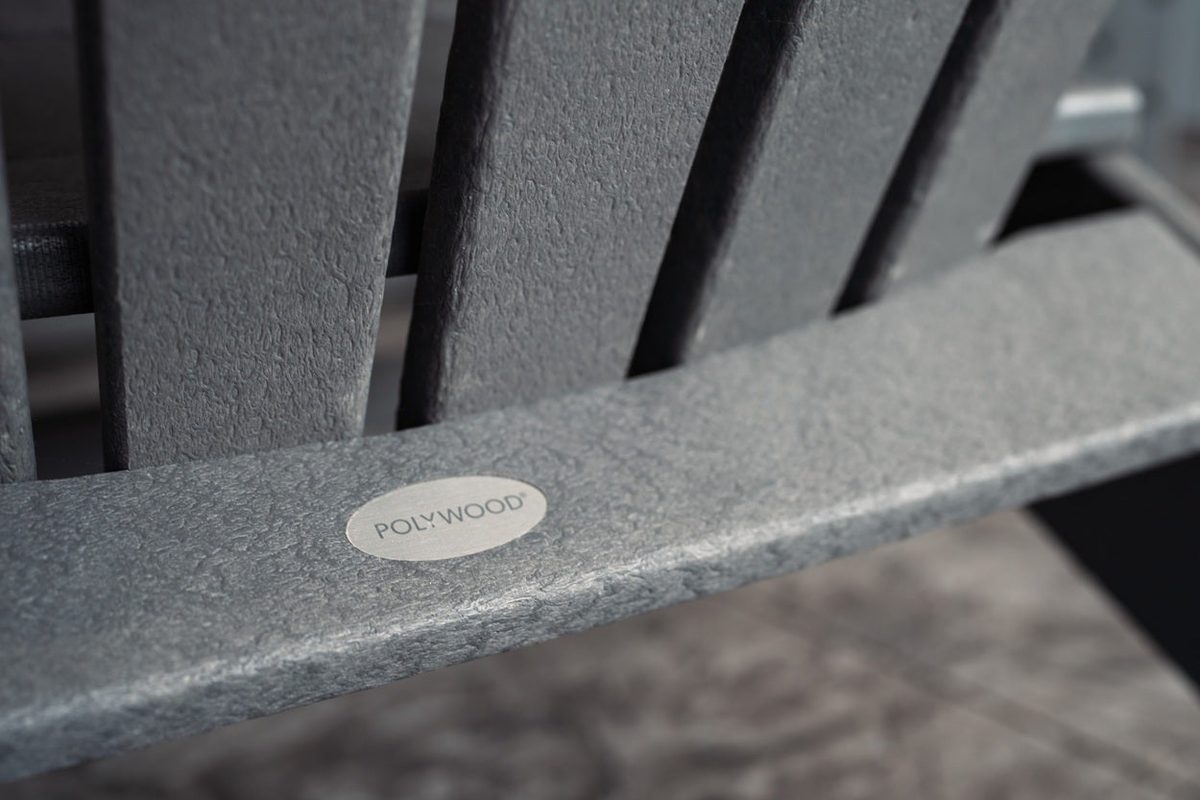
Faster financial close and more timely data
POLYWOOD shortened its financial close by three days. Finance staff could pull information more quickly rather than maintaining elaborate spreadsheets and manually updating exports. Orders moved into the system automatically, giving production and purchasing teams current information without waiting for overnight batch uploads.
Connected manufacturing and order processing
Acumatica became the system of record for financials and bills of materials while POLYWOOD’s MES continued to manage shop-floor and inventory processes. The Acumatica–Magento integration helped automate online sales orders and payments, addressing the incomplete-order problem in the previous environment. Shipping integrations reduced manual documentation and helped the warehouse process orders.
Less peak-season manual support
After go-live, the technology and office teams no longer needed to interrupt their regular work to support routine warehouse shipping at the same level. The source case study describes a record invoicing day that did not create a corresponding surge in technology support. The team could spend more time improving processes instead of troubleshooting failures.
- Shortened the financial close by three days, according to the original customer story.
- Connected a custom MES to Acumatica through an open API, preserving shop-floor workflows.
- Replaced overnight batch delays with more timely order, production, purchasing, and financial data.
- Reduced the need for technology and office staff to help with peak-season warehouse shipping.
- Improved online order processing and supported higher transaction volumes.
Solution stack
Source: Acumatica Customer Success — POLYWOOD.
Need to connect a custom MES, e-commerce, and finance without rebuilding everything?
Talk to Vantris about an Acumatica architecture review.
Talk to Vantris