Tighter inventory control across 750,000 SKUs.
Shoebacca outgrew a disconnected mix of e-commerce, warehouse, and financial systems as transaction and SKU volume increased. After moving to Acumatica, the retailer reported tighter inventory control, fewer repeated data transfers, and less reliance on custom software and infrastructure.
- Company
- Shoebacca
- Industry
- Online footwear and apparel retail
- Headquarters
- Irving, Texas
- Replaced
- Separate e-commerce, warehouse and finance systems
- Solution
- Acumatica, live since early 2014
Company & challenges
Shoebacca is an online footwear and apparel retailer based in Irving, Texas. As its e-commerce business expanded, it managed retail and wholesale transactions, a large catalog, and drop-ship supplier relationships. At the time of the original story, the retailer handled roughly 750,000 SKUs and worked with more than 75 drop-ship suppliers.
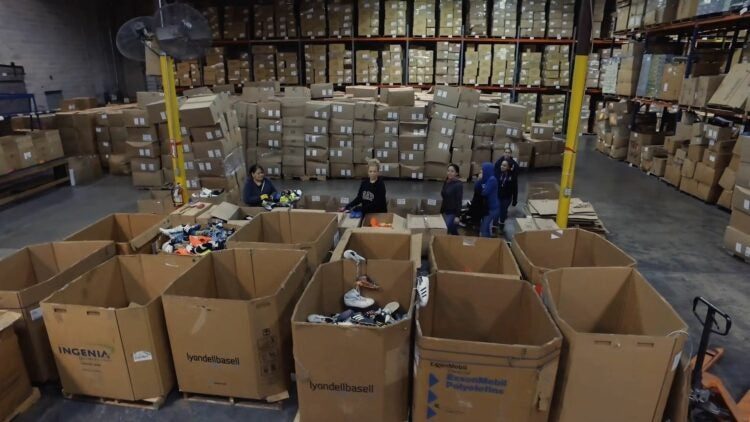
The company used separate e-commerce, warehouse, and finance applications, including a custom warehouse management system. Moving transaction data between them created repeated work and delays. Inventory movement, returns, replenishment, and stock availability were difficult to coordinate accurately across channels.
Maintaining custom applications and servers also took development resources. Shoebacca needed a connected system that could support its Magento storefront, warehouse operations, and financial records while adapting as the retail business changed.
The solution
Shoebacca considered expanding its custom platform or existing ERP before selecting Acumatica. The customer chose a system that could connect Magento e-commerce activity with warehouse and financial processes. The original case study dates the Acumatica go-live to early 2014.
“Every time inventory is moved, the transfer is documented, which allows us to have tighter control over where the product is and how much we have, which has helped with shrinkage and quality control.”
Thomas FinneyIT Director, Shoebacca
The benefits
More accurate stock movement and replenishment
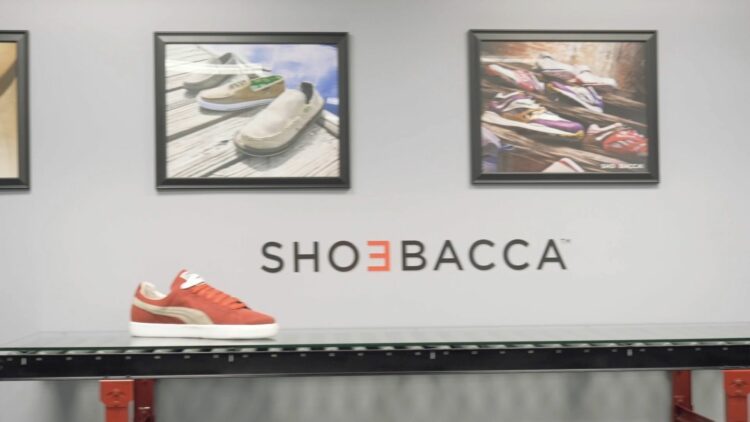
With integrated warehouse processes, Shoebacca documented stock transfers as they occurred and worked from more current inventory information. This gave the retailer better control over product location, shrinkage, and quality checks. The improved view helped the team reduce safety buffers and avoid overstocking products that moved slowly.
Less custom software to maintain
Moving away from heavily customized systems reduced the maintenance burden on Shoebacca’s technology team. The smaller team could direct more of its effort toward business improvements instead of maintaining in-house servers and custom applications.
Flexibility for business processes
Acumatica’s integration and customization capabilities helped Shoebacca adapt its e-commerce, warehouse, and order processes while reducing repeated accounting and warehouse transfers. The team could spend more effort on inventory and business improvements rather than maintaining separate custom systems.
“At one point we had 7 to 8 developers and now we have two in IT.”
Ryan Schlachter, President- Gained more timely visibility across approximately 750,000 SKUs at the time of the case study.
- Recorded stock transfers as they happened, improving control over product location and quantities.
- Supported lower inventory buffers and more selective replenishment of fast- and slow-moving products.
- Reduced repeated data transfers between e-commerce, warehouse, and financial applications.
- Reduced reliance on heavily customized systems and a larger in-house development operation.
Solution stack
Source: Acumatica Customer Success — Shoebacca.
Are e-commerce, WMS, and finance creating duplicate data and custom-code maintenance?
Book an ERP Business Review with Vantris.
Book an ERP Business Review